- Sat–Thu, 8 AM–4 PM

agriculture containers
Agricultural containers are a group of packages and structures specifically designed to serve the needs of the agricultural sector: collecting, preserving and transporting crops, raising seedlings, storing agricultural inputs (seeds, fertilizers), transporting and storing water and liquid fertilizers, and facilitating sorting and packaging operations.
Design, Ventilation, and Drainage
Container design must protect the produce from bruising and facilitate cooling. Perforated crates allow air to circulate to cool citrus fruits and vegetables during transport, and drainage channels or holes prevent water from accumulating. Proper design reduces product spoilage and improves the quality of what reaches the consumer.
Materials, Raw Materials, and Safety
Agricultural containers are typically made from plastic materials such as HDPE, PP, LDPE, PET, or recyclable composites. The materials must be food-grade when used with food products, and chemical-resistant when used with pesticides or liquid fertilizers. It is important to include UV stabilizers to extend the product’s shelf life when exposed to sunlight.
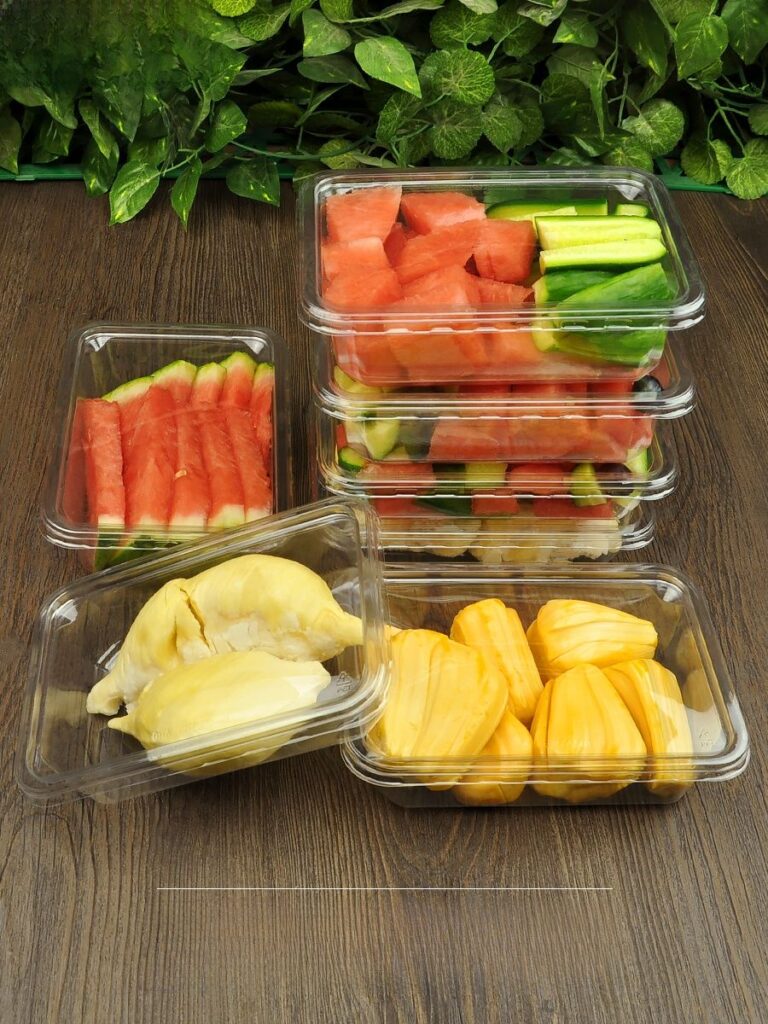
- Durability and environmental resistance
- Logistics efficiency — stacking and
- Hygiene and ease of maintenance
- Sustainability, recycling, and product traceability


It is considered one of the most advanced factories in the manufacture of high-quality plastic products, especially tableware such as cups, plates, cake molds, and other multi-use everyday plastic products.
- © Copyright 2025 by penta-plast.com